Food Trends
Three techniques European kitchens are obsessed with right now
Sava Marević
Chef & Founder of savamander
14 August 2026 · 6 min read
I don't particularly enjoy writing about trends, because most of what gets called a trend is just something that was already happening in ten kitchens and then got a name. But these three keep coming up in conversation, so here's what I actually think about each.
1. Fermented stocks and garums
Useful. Genuinely. A well-made fish garum will do more for a sauce than another hour of reduction, and it costs you almost nothing in ingredients — you're mostly paying in time and shelf space. The catch is control. You need a stable temperature, a proper log, and somebody who takes responsibility for it. If your ferment programme lives in one person's head, it dies the week they go on holiday.
Also: talk to your local food safety authority before, not after. The rules vary enormously across Europe and 'the Danes do it' is not a defence.
2. Dry-ageing fish and vegetables
This is the one I'm not convinced by, at least not at the volume people are attempting. Dry-aged fish can be superb. It can also be a very expensive way to make a mediocre piece of fish taste like a slightly different mediocre piece of fish. The margin for error is small, the fridge space is real money, and the failure mode is throwing away expensive protein.
If you have a dedicated cabinet, a chef who has done it before, and a menu price that supports it, go ahead. Otherwise I'd spend the same money on better fish.
3. The whole-vegetable roast
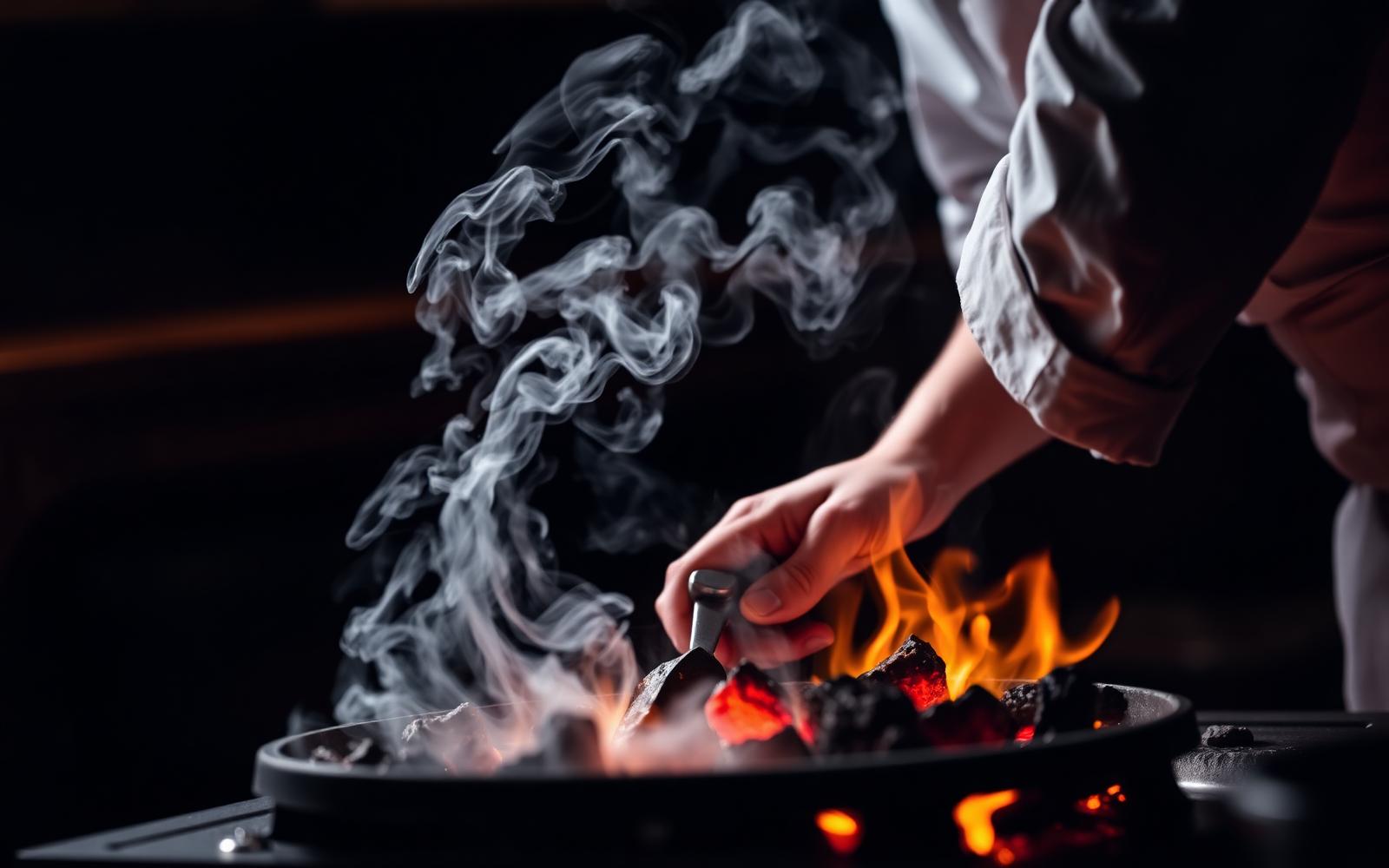
Cheap, dramatic, and it makes the kitchen smell right. Whole celeriac in salt, whole cabbage in embers, whole onion buried for four hours. It's an old technique and it's back because food cost went up and because it plates beautifully with almost no work.
The practical problem is oven time. A four-hour onion is competing with everything else you need that oven for, and in most kitchens the oven is the bottleneck long before the stove is. Solve the scheduling first and the technique takes care of itself.
Sources & further reading
- Fine Dining Lovers — technique and trend reportingHospitality media
- MICHELIN Guide MagazineHospitality media
Facts were researched from the public sources listed above and rewritten in savamander’s own words. No paragraphs are reproduced from other publications. Commentary marked as Sava’s take is opinion, not reporting. Facts last checked 29 August 2026.